
Internet Marketing Amsterdam

Unlocking the Power of Video Marketing: A Step-by-Step Guide to Success

In today’s digital landscape, video marketing has emerged as a powerful tool for businesses looking to engage their audience and drive conversions. With the rise of platforms like YouTube, TikTok, and Instagram, video content is no longer just an option; it’s a necessity. This article will guide you through the practical steps to implement an effective video marketing strategy that resonates with your target audience and enhances your brand visibility.

Step 1: Define Your Goals
Before diving into video production, it’s crucial to outline what you want to achieve with your video marketing efforts. Are you looking to increase brand awareness, generate leads, or boost sales? Defining clear objectives will help shape your content and measure its success. For instance, if your goal is to raise awareness, you might focus on creating entertaining or informative content that showcases your brand’s personality.

Step 2: Know Your Audience
Understanding your audience is key to creating engaging video content. Conduct thorough research to identify your target demographic’s preferences, interests, and pain points. Utilize tools like surveys, social media analytics, and customer feedback to gather insights. This information will guide your content creation process, ensuring that your videos resonate with viewers and encourage them to take action.

Step 3: Choose the Right Format
Video marketing encompasses various formats, including explainer videos, testimonials, product demos, and live streams. Selecting the right format depends on your goals and audience preferences. For example, if you’re launching a new product, a product demo video can effectively showcase its features and benefits. Alternatively, if you’re aiming to build trust, customer testimonial videos can provide social proof and credibility.

Step 4: Create Compelling Content
Once you’ve defined your goals, understood your audience, and chosen the right format, it’s time to create your video content. Focus on storytelling to captivate your audience. Start with a hook to grab attention within the first few seconds, and maintain engagement by delivering valuable information or entertainment throughout the video. Remember to keep your videos concise and to the point, as attention spans are short in the digital age.

Step 5: Optimize for SEO
To maximize the reach of your video content, it’s essential to optimize it for search engines. Use relevant keywords in your video title, description, and tags to improve visibility. Additionally, consider creating a compelling thumbnail that encourages clicks. Don’t forget to include a call-to-action (CTA) at the end of your video, directing viewers to your website or encouraging them to subscribe to your channel.

Step 6: Promote Your Videos
Creating great video content is just the beginning; you need to promote it effectively. Share your videos across various platforms, including social media, email newsletters, and your website. Collaborate with influencers or other brands to expand your reach. Consider running paid advertising campaigns on platforms like Facebook or YouTube to target specific audiences and drive traffic to your videos.

Step 7: Analyze and Adjust
After your videos have been published, it’s important to analyze their performance. Use analytics tools to track metrics such as views, engagement rates, and conversion rates. This data will provide insights into what’s working and what needs improvement. Be prepared to adjust your strategy based on these insights, whether that means tweaking your content, changing your promotion tactics, or experimenting with different formats.

Step-by-step plan:
Step 1: Define your goals for video marketing.
Step 2: Research and understand your target audience.
Step 3: Choose the appropriate video format for your message.
Step 4: Create engaging and valuable video content.

In conclusion, video marketing is a dynamic and effective way to connect with your audience and achieve your business goals. By following this step-by-step guide, you can create a video marketing strategy that not only captures attention but also drives results. Embrace the power of video, and watch your brand flourish in the digital realm.

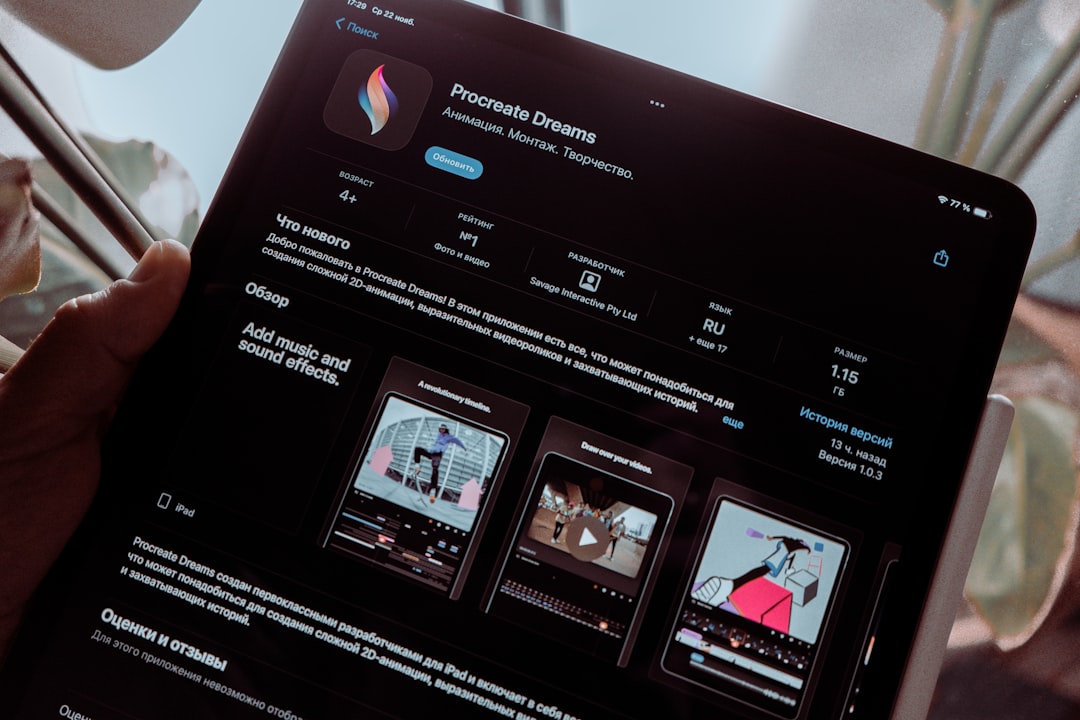
Unlocking the Power of Video Production: Trends, Insights, and Strategies for Success

In the digital age, video production has become an essential tool for businesses, marketers, and content creators alike. With the rise of platforms like YouTube, TikTok, and Instagram, the demand for high-quality video content has skyrocketed. According to recent market research, the global video production market was valued at approximately $40.85 billion in 2021 and is projected to reach $61.55 billion by 2028, growing at a CAGR of 6.1% during the forecast period. This growth is indicative of the increasing importance of video as a medium for communication and engagement.

Key Insight: The significant growth in the video production market highlights the necessity for businesses to invest in video content to remain competitive and relevant in their industries.

As we delve deeper into the world of video production, it is crucial to understand the various factors influencing purchasing behavior in this space. A survey conducted by Wyzowl revealed that 86% of businesses use video as a marketing tool, and 93% of marketers believe that video is an important part of their strategy. This overwhelming consensus underscores the effectiveness of video in capturing audience attention and driving conversions.

One of the most notable trends in video production is the shift towards remote and virtual production techniques. The COVID-19 pandemic accelerated this trend, forcing many production companies to adapt to new ways of creating content. Virtual production allows for real-time rendering and the integration of live-action footage with computer-generated imagery (CGI), providing filmmakers with unprecedented creative flexibility. This technology not only enhances the visual quality of videos but also reduces production costs and time.

Moreover, the rise of affordable video production tools has democratized the industry, enabling small businesses and independent creators to produce high-quality content without breaking the bank. With the availability of user-friendly software and budget-friendly cameras, anyone can become a content creator. In fact, a report from Statista indicates that the average price of video production services has decreased by 20% over the past two years, making it more accessible for businesses of all sizes.

However, while affordability is a significant factor, it is essential to strike a balance between cost and quality. Investing in professional video production services can yield higher returns in terms of engagement and brand perception. According to a study by HubSpot, 54% of consumers want to see more video content from brands they support. This statistic emphasizes the importance of delivering high-quality videos that resonate with the target audience.

Another emerging trend in video production is the focus on sustainability and eco-friendly practices. As consumers become more environmentally conscious, businesses are increasingly seeking ways to reduce their carbon footprint. This shift has led to the rise of green video production companies that prioritize sustainable practices, such as using energy-efficient equipment, minimizing waste, and sourcing materials responsibly. By adopting eco-friendly practices, businesses can not only contribute to environmental preservation but also appeal to a growing demographic of eco-conscious consumers.

In addition to these trends, the psychological impact of video content cannot be overlooked. Research shows that video is processed 60,000 times faster than text by the human brain, making it a powerful tool for storytelling and emotional engagement. Videos can evoke emotions, build connections, and drive action more effectively than any other medium. This psychological advantage is why brands are increasingly leveraging video to communicate their messages and values.

As we look to the future of video production, it is clear that the landscape will continue to evolve. Emerging technologies such as artificial intelligence (AI) and augmented reality (AR) are set to revolutionize the way videos are produced and consumed. AI can streamline the editing process, while AR can create immersive experiences that captivate audiences.

In conclusion, video production is no longer just a luxury for large corporations; it has become a necessity for businesses of all sizes. With the market projected to grow significantly in the coming years, understanding the trends, insights, and strategies in video production is crucial for success. By embracing new technologies, prioritizing quality, and adopting sustainable practices, businesses can unlock the full potential of video as a powerful communication tool.

Transforming Local Businesses: The UX Design Revolution in Springfield

In the heart of Springfield, a quiet revolution is underway, one that is reshaping the way local businesses interact with their customers. User Experience (UX) Design, often seen as a luxury reserved for tech giants, is proving to be a game-changer for small businesses in this vibrant community. This article explores how Springfield’s local entrepreneurs are leveraging UX design to enhance customer satisfaction, boost revenue, and foster a sense of community.

Springfield, known for its rich history and diverse population, has always been a hub for small businesses. However, in recent years, many of these businesses faced challenges in retaining customers and standing out in a crowded marketplace. Enter UX design—a discipline focused on creating meaningful and relevant experiences for users. By prioritizing the needs and preferences of their customers, local businesses are not only improving their services but also cultivating loyalty.

Take, for instance, a local coffee shop, Brewed Awakening. Faced with declining foot traffic and increasing competition from larger chains, the owner, Sarah, decided to invest in UX design. She reached out to a local UX consultant who conducted user research, including surveys and interviews with regular customers. The findings revealed that while customers loved the coffee, they were frustrated by the long wait times and the confusing layout of the shop.

With this feedback in hand, Sarah implemented several changes. She redesigned the shop’s layout to create a more intuitive flow, allowing customers to place their orders more efficiently. Additionally, she introduced a mobile ordering system, enabling customers to order ahead and skip the line. The results were astounding: within three months, Brewed Awakening saw a 30% increase in sales and a significant boost in customer satisfaction ratings. Customers appreciated the streamlined experience, and many took to social media to share their positive experiences, further amplifying the shop’s reach.

But Brewed Awakening is not alone in this transformation. Across Springfield, businesses are recognizing the value of UX design. A local boutique, Fashion Forward, also embraced this approach. After conducting a website usability test, the owner discovered that many potential customers were abandoning their online shopping carts due to a complicated checkout process. By simplifying the checkout experience and enhancing the website’s mobile responsiveness, Fashion Forward increased its online sales by 25% within just two months.

The impact of UX design extends beyond individual businesses; it fosters a sense of community. As local entrepreneurs share their success stories, they inspire others to invest in UX design. The Springfield Chamber of Commerce has even launched a series of workshops aimed at educating small business owners about the importance of user-centered design. These workshops have attracted a diverse group of participants, from restaurant owners to service providers, all eager to learn how to enhance their customer experiences.

Moreover, the ripple effect of these changes is evident in the local economy. As businesses thrive, they contribute to job creation and community development. A recent study conducted by the Springfield Economic Development Council found that businesses that adopted UX design principles reported an average revenue increase of 20% over the past year. This growth not only benefits the business owners but also strengthens the local economy, creating a more vibrant and resilient community.

In conclusion, the UX design revolution in Springfield is a testament to the power of understanding and prioritizing customer needs. Local businesses are not just surviving; they are thriving by creating exceptional experiences that resonate with their customers. As more entrepreneurs embrace this approach, Springfield is poised to become a model for other communities looking to harness the potential of UX design. The journey is just beginning, and the possibilities are endless. Whether you’re a small business owner or a customer, the impact of UX design is something to celebrate and support.

Crafting Content with a Conscience: The Eco-Friendly Approach to Creation

In an era where environmental consciousness is more crucial than ever, the way we create content must evolve to reflect our values. Sustainable content creation is not just a trend; it’s a necessary shift towards a more responsible and ethical approach to producing digital materials. This article explores how we can embrace eco-friendly practices in content creation, ensuring that our words and visuals not only resonate with audiences but also respect our planet.

First, let’s define what sustainable content creation means. At its core, it involves producing content that minimizes environmental impact while promoting social responsibility. This can include everything from the materials used in physical products to the digital platforms we choose for distribution. As content creators, we have the power to influence our audience and advocate for sustainable practices through our work.

One of the most significant aspects of sustainable content creation is ethical sourcing. This means choosing materials and resources that are produced in a way that is environmentally friendly and socially responsible. For instance, if you’re creating printed materials, consider using recycled paper or materials certified by organizations like the Forest Stewardship Council (FSC). The FSC certification ensures that the paper comes from responsibly managed forests that provide environmental, social, and economic benefits. By opting for FSC-certified materials, you not only reduce deforestation but also enhance buyer trust, as consumers are increasingly looking for brands that prioritize sustainability.

Digital content creation also presents unique opportunities for sustainability. When producing videos, graphics, or written content, consider the energy consumption of your tools and platforms. Opt for energy-efficient devices and software that minimize carbon footprints. For instance, using cloud services that are powered by renewable energy can significantly reduce the environmental impact of your digital content. Many companies now offer green hosting options, which means your website can run on servers that use wind or solar energy.

Moreover, the content we create can serve as a powerful tool for advocacy. By sharing stories about sustainability, ethical sourcing, and the importance of environmental stewardship, we can inspire our audiences to make conscious choices in their own lives. This storytelling approach not only engages readers but also fosters a community of like-minded individuals who are passionate about making a difference.

In addition to storytelling, incorporating eco-friendly practices into your content creation process can be both rewarding and impactful. For example, consider hosting virtual workshops or webinars instead of in-person events. This not only reduces travel emissions but also allows for a broader audience reach. Additionally, when creating visual content, think about using digital illustrations or animations instead of physical props, which can often lead to waste.

Budget-conscious creators may wonder if sustainable practices are feasible without breaking the bank. The good news is that many eco-friendly options are becoming increasingly accessible. For instance, there are numerous free or low-cost online tools for graphic design and video editing that prioritize sustainability. By leveraging these resources, you can create high-quality content without compromising your values or your budget.

As we navigate the future of content creation, it’s essential to stay informed about emerging trends in sustainability. For instance, the rise of virtual reality (VR) and augmented reality (AR) offers exciting possibilities for immersive storytelling that can educate audiences about environmental issues. These technologies can create engaging experiences that highlight the importance of sustainability, allowing users to interact with content in innovative ways.

In conclusion, sustainable content creation is not just a responsibility; it’s an opportunity to lead by example and inspire change. By making conscious choices about materials, platforms, and storytelling methods, we can create content that not only captivates but also contributes to a healthier planet. As we embrace this eco-conscious approach, let’s remember that every piece of content we produce has the potential to make a positive impact. Together, we can craft a narrative that champions sustainability and empowers others to join the movement.

Unlocking the Power of Social Media Management: Your Quick-Start Guide to Success!

In today’s digital landscape, social media management is not just a buzzword; it’s a necessity for businesses aiming to thrive. Whether you’re a small business owner, a freelancer, or a corporate giant, mastering social media can unlock doors to new opportunities, enhance your brand visibility, and foster meaningful connections with your audience. Let’s dive into actionable strategies that can help you elevate your social media game and achieve quick wins!

First, let’s clarify what social media management entails. It’s the process of creating, scheduling, analyzing, and engaging with content posted on social media platforms. It’s about more than just posting updates; it’s about crafting a narrative that resonates with your audience and drives engagement. Here’s how you can get started:

1. **Define Your Goals**: What do you want to achieve through social media? Is it brand awareness, lead generation, or customer engagement? Setting clear, measurable goals will guide your strategy and help you track progress.

2. **Know Your Audience**: Understanding who your audience is and what they care about is crucial. Use analytics tools to gather insights about your followers’ demographics, interests, and behaviors. This information will help you tailor your content to meet their needs.

3. **Choose the Right Platforms**: Not all social media platforms are created equal. Depending on your target audience, some platforms may be more effective than others. For instance, Instagram is great for visual content, while LinkedIn is ideal for B2B networking. Focus your efforts on the platforms where your audience is most active.

4. **Create a Content Calendar**: Planning your content in advance can save you time and ensure consistency. A content calendar helps you organize your posts, align them with your marketing campaigns, and maintain a steady flow of content. Include a mix of promotional posts, educational content, and engaging visuals to keep your audience interested.

5. **Engage with Your Audience**: Social media is a two-way street. Don’t just post and ghost! Respond to comments, engage in conversations, and show appreciation for your followers. Building relationships with your audience fosters loyalty and encourages them to share your content.

6. **Analyze and Adjust**: Regularly review your social media performance using analytics tools. Look at engagement rates, reach, and conversions to determine what’s working and what’s not. Use these insights to refine your strategy and improve future content.

Checklist: Define your goals, Know your audience, Create a content calendar.

Now, let’s talk about some quick wins you can implement today:

– **Leverage User-Generated Content**: Encourage your followers to share their experiences with your brand. Reposting user-generated content not only provides you with fresh material but also builds community and trust.

– **Utilize Hashtags Wisely**: Research relevant hashtags that can increase your content’s visibility. Using popular hashtags can help you reach a broader audience, but don’t overdo it—stick to a few that are most relevant to your post.

– **Run Contests and Giveaways**: These can be great for boosting engagement and attracting new followers. Make sure the rules are simple and the prizes are enticing to maximize participation.

– **Experiment with Different Content Formats**: Don’t be afraid to mix things up! Try videos, stories, polls, and live sessions to see what resonates best with your audience. Different formats can lead to higher engagement rates and keep your content fresh.

In conclusion, social media management is a powerful tool that can significantly impact your business’s success. By implementing these strategies and focusing on engagement, you can create a vibrant online presence that attracts and retains customers. Remember, the key is consistency and adaptability. Stay informed about emerging trends and be willing to adjust your strategy as needed. Now, go out there and make your social media shine!

Unraveling the Truth Behind Video Marketing Myths

In the ever-evolving landscape of digital marketing, video marketing has emerged as a powerful tool for businesses seeking to engage their audience. However, despite its growing popularity, several misconceptions persist that can hinder companies from fully leveraging this dynamic medium. Let’s dive into some of the most common myths surrounding video marketing and uncover the truths that can help you harness its potential.

Myth: Video Marketing is Only for Big Brands
Truth: Video marketing is accessible to businesses of all sizes. While it’s true that large corporations often have bigger budgets for high-quality video production, small and medium-sized enterprises can also create impactful videos without breaking the bank. With the advent of smartphones and user-friendly editing software, anyone can produce engaging content. Platforms like YouTube, Instagram, and TikTok allow businesses to share their stories and connect with audiences in a cost-effective manner.

Myth: You Need a Huge Budget for Quality Videos
Truth: Quality doesn’t always equate to cost. Many successful video campaigns have been launched with minimal investment. The key is to focus on storytelling and authenticity rather than high production values. A well-thought-out script, relatable content, and a clear message can resonate more with viewers than flashy graphics or expensive equipment. Additionally, there are numerous budget-friendly tools available that can help you create professional-looking videos without the hefty price tag.

Myth: Video Marketing is Only About Promotion
Truth: Video marketing can serve multiple purposes beyond just promoting products or services. It can be a powerful educational tool, a means to build brand loyalty, or a way to showcase company culture. For instance, tutorial videos can help customers understand how to use a product effectively, while behind-the-scenes footage can humanize your brand and foster a deeper connection with your audience. By diversifying the types of videos you create, you can engage your audience on various levels.

Myth: Videos are Too Time-Consuming to Produce
Truth: While it’s true that creating high-quality videos can take time, there are many ways to streamline the process. Planning and scripting your content in advance can significantly reduce production time. Additionally, repurposing existing content into video format can save you both time and effort. For example, turning a blog post into a video can provide a fresh perspective on the same material, allowing you to reach a wider audience without starting from scratch.

Myth: Video Marketing is Only Effective for B2C Businesses
Truth: Video marketing is equally beneficial for B2B companies. In fact, studies have shown that B2B buyers are increasingly consuming video content during their purchasing journey. Explainer videos, case studies, and webinars can help B2B companies convey complex information in an engaging way, making it easier for potential clients to understand their offerings. By incorporating video into your B2B strategy, you can enhance your credibility and foster trust with your audience.

Myth: Once You Create a Video, Your Job is Done
Truth: Video marketing is an ongoing process. Simply creating a video is not enough; you must also promote it effectively to ensure it reaches your target audience. This includes optimizing your videos for search engines, sharing them across social media platforms, and engaging with viewers through comments and feedback. Additionally, analyzing the performance of your videos can provide valuable insights that can inform your future content strategy.

In conclusion, video marketing is a versatile and powerful tool that can benefit businesses of all sizes and industries. By debunking these common myths, you can approach video marketing with a clearer understanding of its potential and how to effectively implement it in your marketing strategy. Embrace the opportunity to connect with your audience through engaging video content, and watch as your brand’s visibility and engagement soar.

Unlocking the Future of Conversion Rate Optimization: Trends to Watch in 2024

As we step into 2024, the digital landscape is evolving at an unprecedented pace, and with it, the strategies businesses employ to enhance their online presence. One of the most critical aspects of this evolution is Conversion Rate Optimization (CRO). This practice, which focuses on increasing the percentage of visitors to a website that convert into customers, is set to undergo significant transformations in the coming year. In this article, we will explore the future of CRO, highlighting two emerging trends that are poised to redefine how businesses approach their conversion strategies.

The first trend to watch in 2024 is the integration of artificial intelligence (AI) into CRO practices. As AI technology continues to advance, its applications in digital marketing are becoming more sophisticated. In the realm of CRO, AI can analyze vast amounts of data to identify patterns and insights that human analysts might overlook. This capability allows businesses to create highly personalized experiences for their users, tailoring content, product recommendations, and even pricing strategies based on individual behavior and preferences.

Imagine a scenario where a visitor lands on your e-commerce site. Instead of a one-size-fits-all approach, AI algorithms can assess their browsing history, demographic information, and even real-time behavior to present them with a customized shopping experience. This level of personalization not only enhances user engagement but also significantly boosts conversion rates. In 2024, we can expect more businesses to leverage AI-driven tools for A/B testing, predictive analytics, and customer segmentation, leading to more effective CRO strategies.

The second trend that will shape the future of CRO is the rise of immersive technologies, particularly augmented reality (AR) and virtual reality (VR). As these technologies become more accessible and affordable, businesses are beginning to explore their potential for enhancing the online shopping experience. In 2024, we anticipate a surge in the use of AR and VR to create interactive and engaging environments that allow customers to visualize products in their own space before making a purchase.

For instance, furniture retailers are already experimenting with AR applications that enable customers to see how a piece of furniture would look in their home. This not only helps to alleviate the uncertainty that often accompanies online shopping but also fosters a deeper emotional connection between the customer and the product. By providing a more immersive experience, businesses can significantly increase their conversion rates, as customers feel more confident in their purchasing decisions.

Moreover, the integration of AR and VR into CRO strategies is not limited to e-commerce. Service-based industries can also benefit from these technologies by offering virtual consultations or immersive demonstrations of their services. As consumers become more accustomed to these experiences, businesses that fail to adopt AR and VR may find themselves at a competitive disadvantage.

In addition to these two major trends, we can also expect to see a greater emphasis on ethical marketing practices in 2024. As consumers become more aware of data privacy issues and the ethical implications of targeted advertising, businesses will need to prioritize transparency and trust in their CRO strategies. This shift will not only enhance customer loyalty but also improve conversion rates, as consumers are more likely to engage with brands that align with their values.

In conclusion, the future of Conversion Rate Optimization is bright and full of potential. As we move into 2024, businesses that embrace AI-driven personalization and immersive technologies like AR and VR will be well-positioned to enhance their conversion strategies. By staying ahead of these trends and prioritizing ethical marketing practices, companies can not only improve their bottom line but also create meaningful connections with their customers. The landscape of CRO is changing, and those who adapt will thrive in the digital marketplace.

How Sarah Turned Her Website Into a Conversion Machine

Meet Sarah, a passionate entrepreneur who had a dream of turning her small online boutique into a thriving business. She had the products, the website, and the marketing strategies in place, but there was one glaring issue: her website’s conversion rate was dismal. Despite attracting a decent amount of traffic, her sales were not reflecting the effort she put into her business. Frustrated and on the verge of giving up, Sarah decided it was time to dig deeper into the world of Conversion Rate Optimization (CRO).

Sarah’s journey began with a simple realization: she needed to understand her customers better. She started by analyzing her website’s analytics data. What she found was eye-opening. Visitors were dropping off at the checkout page, and many were abandoning their carts. This was a clear sign that something was wrong, and it was time to investigate further.

Determined to find a solution, Sarah reached out to a CRO expert who helped her identify several key areas for improvement. The first step was to simplify the checkout process. Sarah learned that a complicated checkout could deter potential buyers. With the expert’s guidance, she streamlined the process, reducing the number of steps required to complete a purchase. This change alone made a significant difference in her conversion rates.

Next, Sarah focused on her website’s design. She realized that while she loved her website’s aesthetic, it wasn’t user-friendly. The navigation was cluttered, and important information was buried under layers of content. With the help of a web designer, she revamped her site, making it more intuitive and visually appealing. The new design featured clear calls to action, high-quality images of her products, and easy-to-find customer reviews. This not only improved the user experience but also built trust with her visitors.

Another crucial aspect of Sarah’s CRO journey was A/B testing. She learned that small changes could lead to big results. For instance, she tested different headlines, button colors, and even product descriptions to see what resonated most with her audience. By analyzing the data from these tests, she was able to make informed decisions that further boosted her conversion rates.

One of the most impactful changes Sarah made was incorporating social proof into her website. She added testimonials from satisfied customers and showcased user-generated content on her product pages. This not only enhanced her credibility but also encouraged new visitors to make a purchase. Seeing real people enjoying her products made a world of difference.

As Sarah implemented these changes, she began to see a remarkable transformation. Her conversion rate steadily increased, and sales began to pour in. What once felt like an uphill battle was now a journey of growth and success. Sarah’s boutique was no longer just a dream; it was becoming a reality.

Lesson learned: Understanding your customers and continuously optimizing your website can turn your business around. Sarah’s story is a testament to the power of Conversion Rate Optimization. By taking the time to analyze, test, and implement changes, she was able to create a user-friendly experience that resonated with her audience. Today, her boutique is thriving, and she continues to apply the principles of CRO to ensure her business remains competitive in the ever-evolving online marketplace.

In conclusion, if you find yourself in a similar situation as Sarah, don’t lose hope. Embrace the challenge of optimizing your website, and remember that even small changes can lead to significant improvements. With the right strategies in place, you too can transform your website into a conversion machine.

Mastering Social Media Management: A Step-by-Step Guide to Elevate Your Brand

In today’s digital age, social media management has become an essential component for businesses looking to thrive online. With billions of users across various platforms, the potential for engagement and growth is immense. However, navigating the complexities of social media can be daunting. This guide will provide you with a step-by-step approach to effectively manage your social media presence, ensuring that your brand not only survives but flourishes in the competitive landscape.

Step 1: Define Your Goals
Before diving into the world of social media, it’s crucial to establish clear objectives. What do you want to achieve? Whether it’s increasing brand awareness, driving website traffic, or generating leads, having specific goals will guide your strategy. Use the SMART criteria—Specific, Measurable, Achievable, Relevant, and Time-bound—to formulate your objectives. For instance, instead of saying, “I want more followers,” specify, “I want to gain 500 new followers on Instagram in the next three months.”

Step 2: Know Your Audience
Understanding your target audience is vital for crafting content that resonates. Conduct thorough research to identify demographics, interests, and online behaviors. Utilize tools like Google Analytics and social media insights to gather data about your current followers. Create buyer personas to visualize your ideal customers. This will help you tailor your content and messaging to meet their needs and preferences, ultimately fostering stronger connections.

Step 3: Choose the Right Platforms
Not all social media platforms are created equal. Each has its unique audience and content style. Based on your goals and audience research, select the platforms that align best with your brand. For example, if you’re targeting a younger demographic, platforms like TikTok and Instagram may be more effective than Facebook. Focus your efforts on a few key platforms rather than spreading yourself too thin across many.

Step 4: Develop a Content Strategy
A well-thought-out content strategy is the backbone of successful social media management. Plan your content in advance, considering the types of posts that will engage your audience—be it images, videos, stories, or articles. Create a content calendar to schedule posts consistently, ensuring a steady flow of content. Incorporate a mix of promotional, educational, and entertaining posts to keep your audience engaged. Don’t forget to leverage user-generated content and collaborate with influencers to expand your reach.

Step 5: Engage with Your Audience
Social media is not a one-way street; it’s about building relationships. Actively engage with your audience by responding to comments, messages, and mentions. Show appreciation for your followers by acknowledging their contributions and feedback. Hosting live Q&A sessions or polls can also encourage interaction and make your audience feel valued. Remember, the more you engage, the more loyal your followers will become.

Step 6: Monitor and Analyze Performance
To ensure your social media strategy is effective, regularly monitor your performance. Use analytics tools provided by social media platforms to track key metrics such as engagement rates, reach, and conversions. Analyze what types of content perform best and adjust your strategy accordingly. Don’t be afraid to experiment with different approaches to see what resonates with your audience.

Step 7: Stay Updated on Trends
The social media landscape is constantly evolving, with new trends emerging regularly. Stay informed about the latest developments, algorithm changes, and popular content formats. Follow industry leaders, subscribe to relevant newsletters, and participate in webinars to keep your knowledge up to date. Being adaptable and willing to embrace new trends can give your brand a competitive edge.

Step 8: Review and Refine Your Strategy
Social media management is an ongoing process. Periodically review your goals and strategies to ensure they align with your business objectives. Gather feedback from your audience and team members to identify areas for improvement. Don’t hesitate to pivot your approach if something isn’t working. Continuous refinement will help you stay relevant and effective in your social media efforts.

Step-by-Step Plan:
Step 1: Define your goals using the SMART criteria.
Step 2: Conduct audience research to understand your target demographic.
Step 3: Choose the right social media platforms for your brand.
Step 4: Develop a content strategy and create a content calendar.

In conclusion, effective social media management requires a strategic approach that encompasses goal-setting, audience understanding, platform selection, content creation, engagement, performance analysis, trend awareness, and continuous refinement. By following these steps, you can elevate your brand’s social media presence and achieve your business objectives.

Unlocking the Power of Content Creation: A Data-Driven Approach

In the digital age, content creation has emerged as a cornerstone of effective marketing strategies. Businesses are increasingly recognizing the value of high-quality content to engage their audiences, drive traffic, and ultimately convert leads into customers. According to a recent report by HubSpot, 70% of marketers are actively investing in content marketing, underscoring its significance in the current landscape. This article delves into the nuances of content creation, backed by recent market statistics and purchasing behavior, to provide insights into its impact and potential for businesses.

The content creation market has seen exponential growth over the past few years. In 2021, the global content marketing industry was valued at approximately $42 billion, and it is projected to reach $107 billion by 2026, reflecting a compound annual growth rate (CAGR) of 20.4%. This surge can be attributed to the increasing demand for engaging and informative content that resonates with consumers. Businesses are shifting their focus from traditional advertising to content-driven strategies, recognizing that consumers prefer authentic and valuable information over overt promotional messages.

Key Insight: The rapid growth of the content marketing industry indicates a significant shift in consumer behavior, where audiences are more inclined to engage with brands that provide meaningful content rather than traditional advertisements.

One of the most compelling aspects of content creation is its versatility. From blog posts and social media updates to videos and podcasts, the possibilities are endless. Businesses can tailor their content to suit various platforms and audience preferences, maximizing their reach and engagement. For instance, video content has become increasingly popular, with 86% of businesses using video as a marketing tool in 2022. This trend highlights the importance of adapting content strategies to align with consumer preferences and emerging technologies.

Moreover, the rise of user-generated content (UGC) has transformed the content creation landscape. UGC not only fosters community engagement but also enhances brand authenticity. According to a study by Nielsen, 92% of consumers trust organic, user-generated content more than traditional advertising. This statistic emphasizes the need for brands to encourage and leverage UGC as part of their content strategy, creating a more relatable and trustworthy image in the eyes of consumers.

In terms of budget considerations, businesses of all sizes can find cost-effective solutions for content creation. While some may opt for high-end production values, there are numerous budget-friendly options available. Freelance platforms like Upwork and Fiverr offer access to skilled content creators at various price points, allowing businesses to find the right fit for their budget. Additionally, many companies are turning to in-house teams to produce content, which can be a more economical choice in the long run.

However, investing in quality content creation is crucial. A study by Content Marketing Institute found that businesses that prioritize quality over quantity in their content creation efforts see a 62% increase in engagement rates. This statistic underscores the importance of focusing on delivering valuable, well-researched, and engaging content rather than merely churning out a high volume of posts.

As we look to the future, emerging trends in content creation are set to shape the industry further. The integration of artificial intelligence (AI) in content creation is gaining traction, with tools like ChatGPT and Jasper enabling marketers to generate high-quality content quickly and efficiently. These AI-driven solutions can assist in brainstorming ideas, drafting articles, and even optimizing content for search engines, streamlining the content creation process.

Additionally, the growing emphasis on sustainability and eco-friendly practices is influencing content creation strategies. Brands are increasingly focusing on creating content that highlights their commitment to environmental responsibility, resonating with consumers who prioritize sustainability in their purchasing decisions. According to a survey by McKinsey, 67% of consumers consider sustainability when making a purchase, indicating that content that reflects a brand’s values can significantly impact consumer behavior.

In conclusion, content creation is not just a trend; it is a vital component of modern marketing strategies. With the market projected to grow significantly in the coming years, businesses must adapt their content strategies to align with consumer preferences and emerging technologies. By prioritizing quality, leveraging user-generated content, and embracing innovative tools, brands can unlock the full potential of content creation to drive engagement and foster lasting relationships with their audiences.